Redesigning a second-hand assets marketplace
How I rebuilt a second-hand assets marketplace from the ground up — a design system from scratch and a redesigned auction flow that sits at the heart of the product.
Context
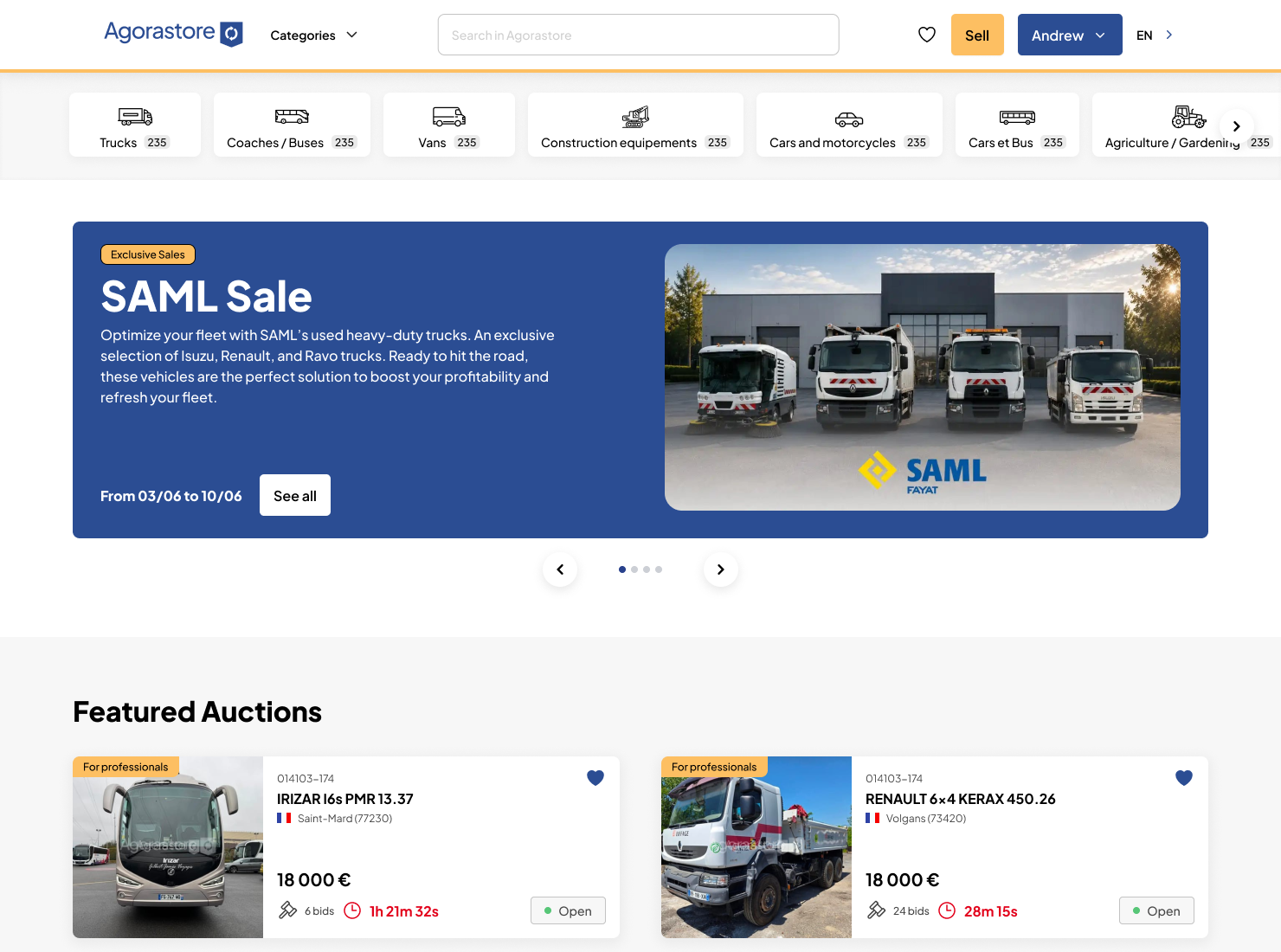
Agorastore is a French marketplace for second-hand assets sold by public administrations and companies — vehicles, industrial equipment, real estate, and IT gear. The platform had grown organically over many years and accumulated inconsistent patterns, legacy components, and a fragmented experience across desktop and mobile.
I joined the team to lead the full UX/UI redesign of the marketplace.
Problem
Two problems were tangled together. First, there was no shared visual language — each feature shipped with its own colors, spacing, and components, and every new screen took longer to design than the last.
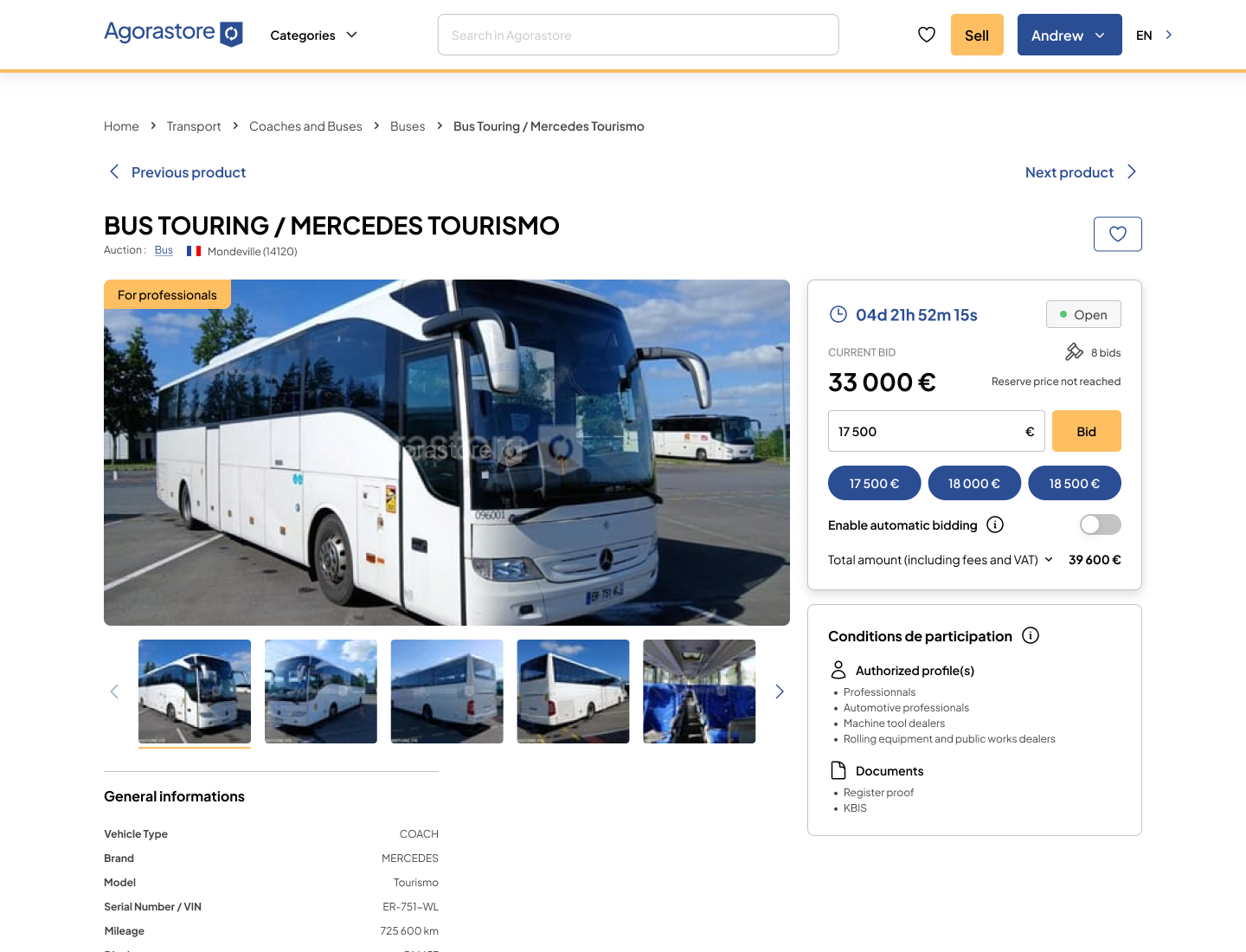
Second, the auction flow — the core of the product — was confusing. Buyers struggled to understand their bid status, time remaining, deposit requirements, and how much would the asset cost them if they won. Drop-off was concentrated on the exact steps that mattered most for revenue.
Redesigning the auction flow
The auction flow was the most important piece of the mission. I mapped the existing journey end to end, ran usability sessions with real buyers, and rebuilt it around four principles:
- Make the bid status unambiguous at every moment — "you are the highest bidder", "you've been outbid", "auction ending soon".
- Surface deposit and identity-verification requirements before the user commits to a bid, not after.
- Reduce the bid action to a single confirmed step, with a clear preview of fees and the next minimum bid.
- Keep the live auction state visible across the whole journey — listing, detail, account, and notifications — so a buyer never loses track of an asset they're bidding on.
A design system from scratch
I built a complete design system for the marketplace, designed in parallel for desktop and mobile rather than adapted after the fact.
- Colors — a semantic palette covering surfaces, text, status, and auction-specific states, with accessible contrast pairs across light and dark contexts.
- Typography — display, heading, body, and caption scales tuned for dense listings and long-form auction pages.
- UX writing — voice and tone, labels, empty states, error messages, and a shared vocabulary for auctions (bid, reserve, deposit, win, settle) so the product speaks one language end to end.
- Components — buttons, inputs, cards, listing tiles, filters, modals, navigation, plus auction-specific components like the bid input, countdown, status badges, and deposit summary. Each one documented with states, responsive behavior, and accessibility notes.
Outcome
A consistent marketplace on desktop and mobile, a documented design system the product and engineering teams can ship against, and a redesigned auction flow that removes friction at the exact moments buyers convert.
In the press
TF1 Info covered how French town halls auction their equipment on Agorastore with the new design implemented.
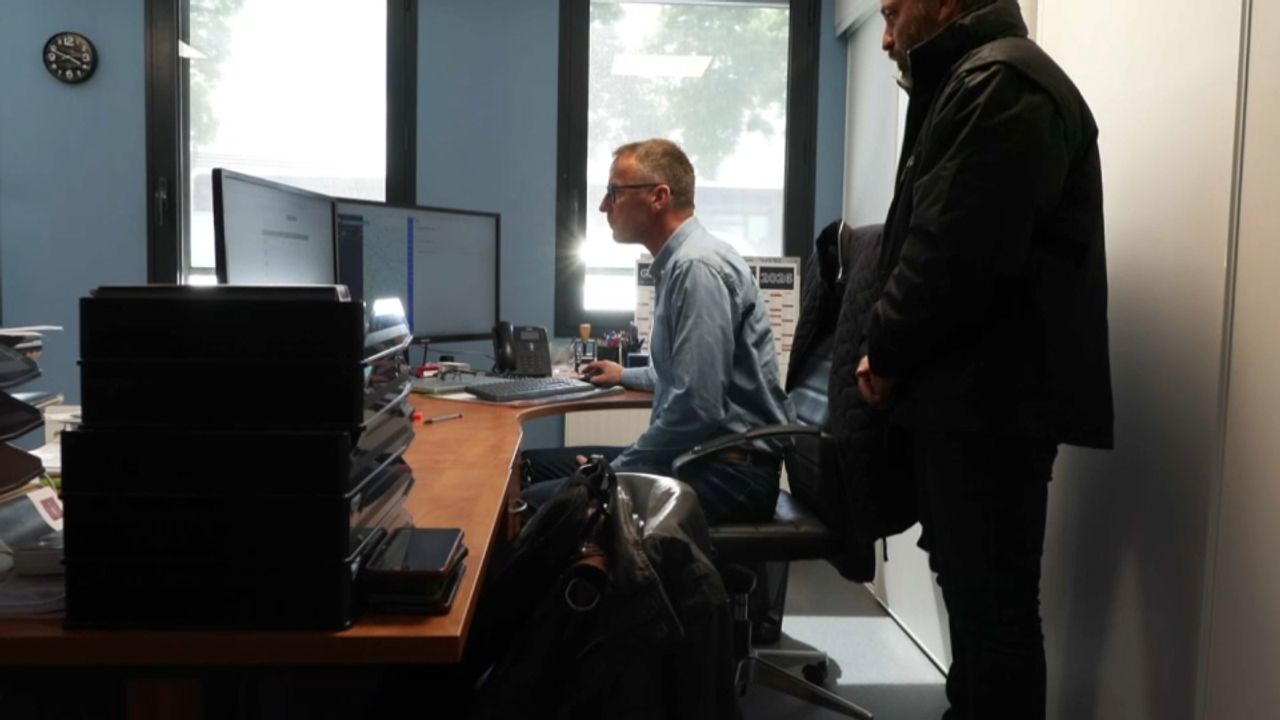 TF1 Info — Le 20H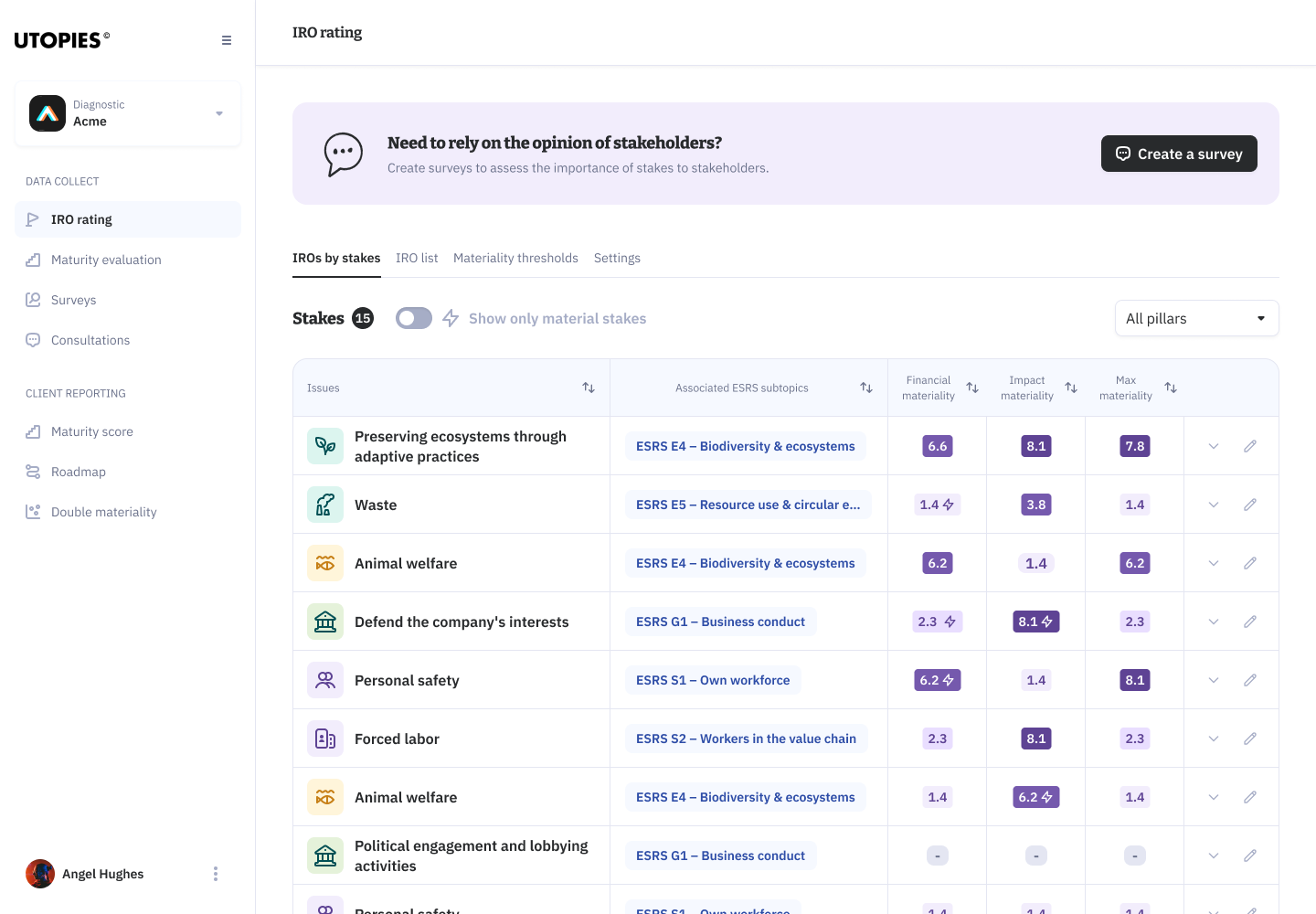
Have something to ship?
Currently booking projects for next quarter. Tell me about the product, the stage, and what "done" looks like.